Here’s a quick infographic for followers of the credit card industry. As part of the Bloomberg Businessweek article How Bad Will It Get for American Express?, there was an informative graphic comparing the number of cards, number of accepting merchants, and total dollar amount of purchases processed by the four major US payment networks: Visa, Mastercard, American Express, and Discover. (Click to enlarge.)

I was a little surprised that the gap between the number of Visa’s and Mastercard’s was so big. I thought they were roughly equal. It was also interesting that the number of Discover and AmEx cards out there were about the same, and while Discover has more accepting locations, AmEx process over double the amount of payments.
 As you’ve probably heard, the Square IPO was completed last week. For a while, I didn’t understand how a company could have a $4 billion valuation when they basically offer a simplified merchant account. They let small businesses accept credit cards, which means they skim a tiny bit off the 2.75% they charge while most of it goes straight to the networks. (Add in their other expenses, and Square has never made a profit.) Wouldn’t you rather own Visa or American Express directly?

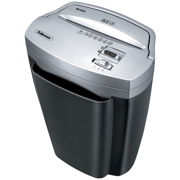 Every credit card is getting a smart chip these days, which means a lot of expired cards. My shredder is rated for 12 sheets of paper at a time, and up until recently handled every credit card, CD, and DVD sent its way. But not the

 Bank of America is the issuer behind many different credit cards, but only a few of them carry the “BankAmericard” co-branding. I have written up reviews of the


 I’ve written about American Express gift cards several times in the past, mostly when they had a promotion waiving both their purchase fees and shipping fees. In such cases, they were a cheap and efficient way to “time-shift” your purchases if you needed to meet a spending threshold soon to obtain a sign-up bonus, or if you needed some miles sooner for a reward.
 Discover credit cards will work with Apple Pay starting on September 16th, 2015. But the big news is that per this
  One of my long-time favorite credit cards is a grandfathered Fidelity College Rewards MasterCard that gives me 2% flat cash back on all purchases. I’m not sure exactly when I first applied for this card, but it was in the early 2000s. The current Fidelity line-up as of September 2015 is still pretty good (if you have a Fidelity account):
 This post provides updated information and instructions regarding the free FICO score that is available to select Chase credit card holders.


 This post provides updated information and instructions regarding the free FICO score that is available to Barclaycard US credit card holders.


 This post provides updated information and instructions regarding the free FICO score that is available to Citibank credit card holders.


 The Best Credit Card Bonus Offers – 2026
 Big List of Free Stocks from Brokerage Apps
 Best Interest Rates on Cash - 2026
 Free Credit Scores x 3 + Free Credit Monitoring
 Best No Fee 0% APR Balance Transfer Offers
 Little-Known Cellular Data Plans That Can Save Big Money
 How To Haggle Your Cable or Direct TV Bill
 Big List of Free Consumer Data Reports (Credit, Rent, Work)