One of my regular bookmarks is the TIPS real yield page (along with the regular Treasury yields). I noticed that the real yield on the 30-year TIPS has nudged above the 2% mark:

At the same time, the 30-year regular Treasury is at 4.3%, making the break-even annual inflation rate about 2.3%. Over the next 30 years, I’d take the over on that, or at least take some insurance out on the possibility of high inflation.
In addition, as David Enna of Tipswatch points out, this is the first time in a long while that all the various maturities (5/10/30 year shown below) are all around 2%.

If you wanted to, you can again construct a ladder of TIPS that will provide you a guaranteed inflation-protected income over the next 30 years (including spending down your principal) of over 4% above inflation (~4.4% as of this writing, as rates are higher today that at the time of writing for that post).
That means if you put $1,000,000 into a 30-year TIPS ladder right now, you can create ~$44,000 income for year 1 and then another ~$44,000 adjusted for inflation (CPI-U) annually for the next 29 years. All fully backed by the US government. No stock market volatility. No chance of annuity insurance company failure. Check out TipsLadder.com and Eyebonds.info if you are ready to get deep into the details.
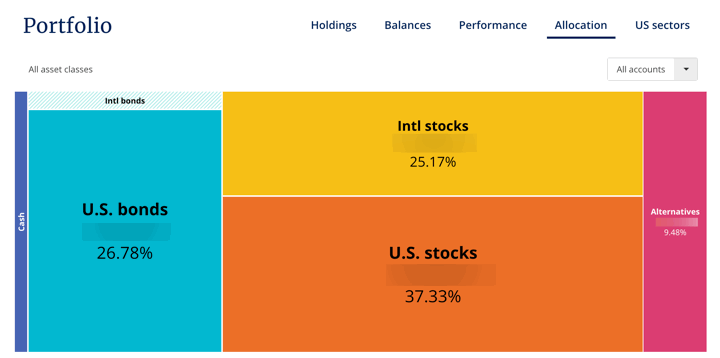
While I am not looking into investing a lump sum into a TIPS ladder, I do own both regular US Treasuries and TIPS to provide the stable, guaranteed growth portion of my portfolio. (I’m roughly 70% stocks and 30% bonds.) If I’m getting guaranteed 5% growth from US Treasuries and guaranteed 2% + inflation from TIPS, I’m pretty happy with that for the safe part of my portfolio.
I am taking this opportunity rebalance my existing bond holdings and free cash to create an overall longer duration for my TIPS. I want to lock in that 2% real yield across longer maturities while it is available. Real yields might go even higher, but I’m more worried about it going lower than higher.
 Here’s my 2023 Q2 income update for my


 One of the concerns about contributing to 529 plan for college savings is that you won’t end up using all the money and end up being hit with additional taxes (at ordinary income rates) and penalties on an non-qualified withdrawal. The funds potentially would have been better off simply invested in a taxable brokerage account (and long-term capital gains rates).
  Savings I Bonds are a unique, low-risk investment backed by the US Treasury that pay out a variable interest rate linked to inflation. With a holding period from 12 months to 30 years, you could own them as an alternative to bank certificates of deposit (they are liquid after 12 months) or bonds in your portfolio.



 The Best Credit Card Bonus Offers – 2026
 Big List of Free Stocks from Brokerage Apps
 Best Interest Rates on Cash - 2026
 Free Credit Scores x 3 + Free Credit Monitoring
 Best No Fee 0% APR Balance Transfer Offers
 Little-Known Cellular Data Plans That Can Save Big Money
 How To Haggle Your Cable or Direct TV Bill
 Big List of Free Consumer Data Reports (Credit, Rent, Work)